

Every house contains valuable personal possessions that make it feel like a true home. From expensive living room electronics to bedroom furniture, these items hold significant financial value. Protecting these belongings from unexpected natural disasters requires choosing a reliable, comprehensive coverage plan. Securing a proper policy for homeowners insurance in FL ensures financial security after storms. Understanding your specific coverage details prevents stressful financial surprises during a major disaster claim. Let Allied Insurance Group guide you through selecting the right policy limits for safety.
The Basics of Personal Property Coverage
Personal property coverage protects your movable items inside your house from covered losses. This includes clothing, kitchen appliances, electronics, and standard furniture items throughout your household. If a fire destroys your house, this specific coverage helps replace your lost items. It forms a critical part of standard homeowners insurance in FL policy guidelines. Most policies automatically set this limit at a specific percentage of your dwelling coverage. Typically, companies set this amount between fifty and seventy percent of structural totals. This structural math means a half-million-dollar structural policy automatically grants a quarter million dollars for furniture, clothes, and appliances.
This basic calculation functions well for average households with standard retail goods. However, families with large collections or unique interior features need careful manual limit adjustments. You must evaluate your lifestyle choices against standard structural policy percentages to ensure safety. Many people assume this default percentage covers everything they own without any strict limitations. The harsh truth remains that basic coverage has standard caps on many everyday items. You need a complete picture of these interior limits before disaster strikes your neighborhood.
Actual Cash Value Versus Replacement Cost
Insurance companies calculate your personal property payouts using two entirely different structural methods. Actual cash value payouts subtract depreciation from the original purchase price of your items. This means older electronics receive smaller payouts based on their current used market value. Conversely, replacement cost coverage pays for brand new items at current store prices. While replacement cost coverage increases your premium, it offers much better long-term protection. Allied Insurance Group recommends this option to ensure complete recovery after catastrophic losses.
Think about a five-year-old television destroyed by water leaking from storms. Under actual cash value terms, you receive a tiny fraction of its original price. That small payout happens because technology depreciates rapidly over a few short calendar years. With replacement cost terms, you receive enough money to purchase a modern equivalent television. This distinction determines whether you pay thousands out of pocket to restock your home. Paying a slightly higher monthly rate saves you massive headaches when submitting claims later.
Understanding Sublimits on Luxury Possessions
Standard policies place strict structural caps on specific categories of high-value items. These categories include luxury jewelry, rare art collections, silver, firearms, and expensive watches. For instance, your policy might cap jewelry theft payouts at fifteen hundred dollars total. Even if your wedding ring costs five thousand dollars, the sublimit stands firm. Reviewing these hidden policy caps prevents massive unexpected financial losses during a major claim. You must understand these specific limits before an emergency impacts your household.
Scheduling Endorsements for High Value Items
You can purchase extra coverage called scheduled personal property endorsements for luxury goods. This option adds individual high-value items to your policy at appraised values. It removes the standard category sublimits to ensure you receive full replacement payouts. Scheduled items often get coverage for accidental loss, like dropping rings down drains. Furthermore, these specific endorsements usually do not carry any structural deductible requirements. It provides the highest level of financial safety for your most prized possessions.
To schedule an item, you must provide an official certified appraisal document. This document proves the exact current market value and description of your precious item. Once approved, the insurance company locks in that specific value for future claims. This process ensures quick payouts because value arguments get settled before losses happen. It covers unique risks that standard homeowners policies completely exclude from their guidelines. Securing these endorsements guarantees your most cherished heirlooms receive top-tier financial protection.
Creating a Comprehensive Home Inventory List
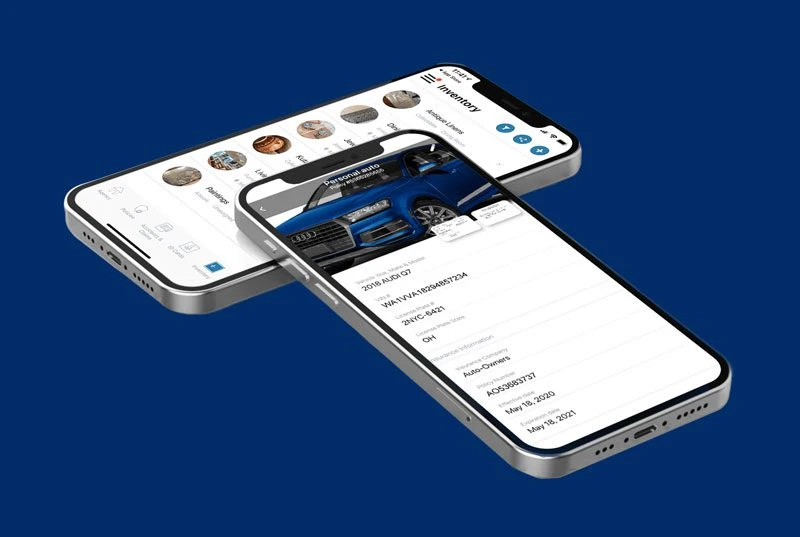
The best way to maximize claims is to maintain a detailed home inventory list. Go through every single room and record your physical items on video logs. Write down brand names, serial numbers, purchase dates, and save your retail receipts. Store this vital information securely inside a cloud database or offsite safety deposit box. An accurate inventory speeds up the claim process significantly after an emergency happens. It provides undeniable proof of ownership to your insurance company during stressful times.
Exploring Florida Homeowners Insurance Rates Factors
Prevalent homeowners insurance rates in various counties are directly impacted by several distinct geographical elements. Your premium rates usually rise dramatically each year if you live near the water. Storm shutters and other windstorm mitigation elements might eventually result in cheaper Florida homeowners insurance rates. Another significant factor in this situation is the age of your roof structure. Another tried-and-true strategy to control your monthly premium prices is to select bigger deductibles. Homeowners may select cost-effective policies without compromising essential protection by being aware of these moving parts.
Working With a Trusted Insurance Professional
Navigating individual policy limits and complicated state regulations requires expert professional guidance every step. Independent agents look at multiple carriers to find plans fitting your exact lifestyle. They help adjust your personal property limits so your family stays completely safe. Allied Insurance Group works hard to protect your valuable assets with customized coverage options. Investing a little time into planning saves your family from future financial ruin. Ensure your home possesses a solid shield against the unpredictable local weather patterns.
Protecting Your Valuables With the Right Coverage
Securing your home means looking beyond the physical walls and roof structure. Your personal belongings take years of hard work to accumulate and deserve proper financial safeguards. Reviewing your policy sublimits and choosing replacement cost coverage makes a massive difference during recovery. Take the time to document your belongings and consult with knowledgeable professionals regularly. A well-crafted policy brings true peace of mind through every changing season.
Frequently Asked Questions
Does personal property coverage protect my items when traveling outside Florida?
Yes, standard policies protect your personal belongings anywhere in the world. If someone steals your laptop from a hotel room, your home policy covers it. However, off-premises coverage usually has a smaller limit than your main policy. Check your specific policy wording to see the exact percentage allowed for traveling items.
What is the difference between dwelling coverage and personal property coverage?
Dwelling coverage pays to rebuild the physical structure of your house after damage. Personal property coverage pays to repair or replace the movable items inside it. Think of personal property as everything that falls out if you flip your house upside down. Both coverages work together to rebuild your entire lifestyle after major disasters.
How do I know if my luxury items exceed standard sublimits?
You should get expensive jewelry, fine art, and collectibles professionally appraised by certified experts. Compare those official appraisal values against the specific category limits listed inside your policy document. If the item values are higher, you need to add an endorsement. This step keeps your highest value items fully protected.
How often should I update my home inventory list?
You should update your home inventory list at least once every single year. It is also smart to update it immediately after making major holiday purchases. Keeping it current ensures new electronics and furniture pieces receive proper protection right away. Store the updated file safely inside a cloud drive for permanent remote access.
Why is Florida Homeowners Insurance So Expensive?
Florida premiums are high due to extreme hurricane risks, rising construction costs, and historically high legal litigation fees. While recent laws have reduced lawsuits, reinsurance costs (backup insurance for carriers) remain elevated across the state.
Is Citizens Insurance Leaving Florida?
No, Citizens are not leaving Florida. As the state-backed insurer of last resort, it remains a permanent safety net. However, Citizens is actively reducing its total policy count by transferring hundreds of thousands of homes back to private insurers.
What Happens If My Roof Is Over 15 Years Old?
Florida law prevents insurers from dropping you solely based on roof age. If an authorized inspector certifies your roof has at least five years of useful life remaining, coverage must continue. However, carriers may heavily scrutinize older roofs or demand higher windstorm deductibles.
Should I Buy Flood Insurance Outside a Flood Zone?
Yes. Standard home insurance never covers rising groundwater, and over 20% of all flood claims happen in low-risk zones. Furthermore, Citizens Insurance mandates separate flood coverage for all policyholders with wind coverage, rolling out to all property values.





 Allied Insurance Group

