
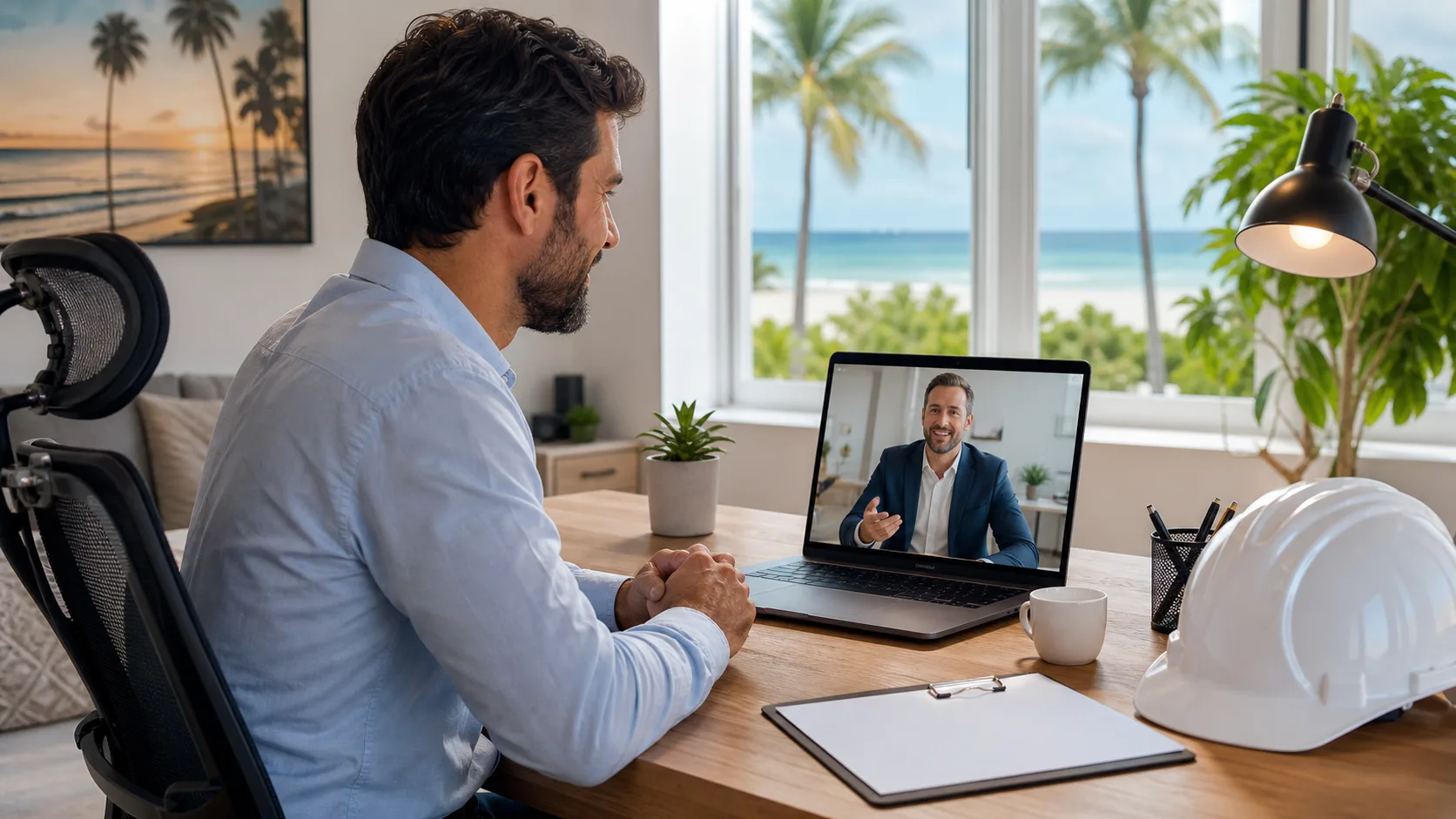
Protecting Your Florida Business in a Remote Work World
Remote and hybrid work are normal now for many Florida businesses. As we head into the busy fall and holiday season, plenty of companies are adding remote help, bringing back seasonal workers, and reviewing budgets. That is exactly when workers’ comp questions pop up, especially around people who work from home.
Remote employees can still trigger workers’ comp insurance in Florida, even if they never step inside your office. Many owners are surprised to learn that a claim from a home office can count just like a claim from a warehouse or storefront. If you get this wrong, you risk fines, headaches, and stressed staff at the worst possible time.
In this article, we walk through how workers’ comp rules apply to remote teams, what “work related” really means when the job happens at a kitchen table, and simple ways to lower your risk. We also touch on why year-end hiring and renewals are the perfect time to clean up records, update policies, and make sure your coverage actually matches how your people work now.
How Florida Workers Comp Applies to Remote Employees
Workers’ comp rules in Florida focus on who you employ and what they do, not just where they sit. If your business hits the state’s employee thresholds for your industry, you may need workers’ comp even if most of your staff works from home or from different cities.
For remote employees, the key phrase is “in the course and scope of employment.” That basically means the injury or illness needs to be tied to their job duties. For someone working from home, that might include:
- A repetitive strain injury from constant typing or using a mouse
- Tripping on the way to a dedicated home office during work hours
- A work-related stress injury tied directly to job demands
Many employers assume remote staff are on their own. Common misconceptions include:
- “They are contractors, so I do not need coverage.”
- “They work from home, so it is their responsibility, not mine.”
- “If they choose their own hours, I am not involved.”
Regulators and insurers look at the real relationship, not just the label on a tax form. If a “contractor” works like an employee, follows your direction, and is core to your business, they might be treated like an employee for workers’ comp purposes.
Clear structure helps a lot. Things like:
- Written job descriptions
- Standard work schedules
- Documented duties and responsibilities
These tools help define when a remote worker is “on the clock” and what activities count as work. That clarity can be very helpful if a claim comes up and everyone needs to understand whether an injury is work-related.
Key Legal and Compliance Rules Florida Employers Must Know
Florida has specific workers’ comp rules based on your type of business and how many people you employ. Some industries, like construction, often have stricter requirements and lower employee thresholds. Other industries may have higher thresholds, but the core idea is the same: once you hit certain levels, the state expects you to carry workers’ comp coverage.
Ignoring these rules can lead to serious problems, such as:
- Fines and penalties from state regulators
- Stop-work orders that shut down operations until problems are fixed
- Possible personal exposure for owners if they knowingly skip coverage
Remote work can make things more complicated when you have team members spread across different states. A Florida-based company with staff living in other states may need to pay attention to both Florida rules and the rules where remote employees live and work. The details matter, and the “home office” can change the picture.
Good paperwork is your friend here. Written remote work policies, timekeeping procedures, and basic safety guidelines all help show that you take your duties seriously. Clear policies can also guide supervisors and staff when something goes wrong.
Fall is a smart time to:
- Review payroll records
- Update actual employee counts
- Check that remote workers are classified correctly
Doing this before year-end hiring or renewals can help you avoid last-minute surprises and keep your coverage in line with how your team actually operates.
Managing Risks and Claims for Remote Teams
You cannot control every part of a person’s home, but you can still reduce workers’ comp risk for remote staff. Simple steps and guidance can make home offices safer and claims easier to manage if something happens.
For example, you might:
- Share ergonomic tips for chairs, desks, and screens
- Give a basic safety checklist for home workspaces
- Encourage clean, clutter-free paths to and from the work area
When a possible work-related injury happens at home, timing and documentation matter. Florida has rules on how quickly injuries should be reported. Make sure your remote staff knows:
- Who to tell if they get hurt while working
- What details to share, like time, place, and what they were doing
- That they should report issues as soon as possible, not “see if it goes away”
Clear communication about work hours and expectations can cut down on gray areas. If both sides understand what counts as working time, it is easier to sort out whether an injury is tied to the job or to personal time.
A well-managed claim process benefits everyone. It can help control costs, avoid needless disputes, and support injured employees so they can return to work safely. Over time, strong risk management can help improve your track record with carriers and support more stable workers’ comp premiums.
Tailoring Workers Comp Coverage to Hybrid and Seasonal Staff
Not every remote role is the same. Some employees are fully remote, some split time between home and a central office, and some only work from home once in a while. These different setups can affect how carriers look at your business and your workers’ comp insurance in Florida.
For the busy fall and holiday period, many companies also add:
- Seasonal workers to handle higher demand
- Project-based remote staff for specific tasks
- Short-term help for events and special promotions
Getting payroll projections as accurate as possible and using the right class codes for each type of worker can make your coverage fit your real risk more closely. It can also help avoid issues with audits later.
Many businesses with distributed teams also need to think beyond workers’ comp alone. They may look at how workers’ comp lines up with other coverages, such as general liability, cyber protections, or professional liability, to get a clearer picture of overall risk.
Growing Florida businesses often shift their models as they learn what works. You may start with local staff, then add remote employees in other parts of the state, and later build a team spread across different regions. As your structure changes, your coverage needs can change too. Carriers are paying more attention to these new patterns of work, and independent agencies can compare options to help find policies that make sense for your mix of in-office, hybrid, and remote staff.
Partner with a Florida Expert Before Your Next Policy Renews
As year-end hiring ramps up and you look ahead to new projects, it pays to slow down and look closely at your workers’ comp setup. Remote work is not a side note anymore; it is part of how many Florida companies run every day. Making sure your policies match that reality can protect your business and your people at the same time.
At Allied Insurance Group, we are a veteran-owned, independent agency based here in Florida, and we understand how local businesses actually operate, from single-location shops to growing teams with remote and hybrid staff. We help employers review how and where their people work, spot possible gaps in workers’ comp insurance in Florida, and compare options from multiple carriers so coverage lines up with real-world operations.
Protect Your Team And Stabilize Your Bottom Line
If you are ready to secure coverage that actually fits your operation, we can help you customize workers’ comp insurance in Florida that aligns with your risks and budget. At Allied Insurance Group, we walk you through your options so you can avoid costly gaps and stay compliant with state requirements. Reach out so we can review your current coverage, identify exposures, and streamline your policy. If you prefer to talk directly with our team, simply contact us to get started.





 Allied Insurance Group

