

Florida is one of the top spots in the country for owning a vacation home. With its sunny weather, palm trees, and relaxing atmosphere, it’s no wonder so many people choose to spend part of their year here. But even in paradise, things can go wrong, especially when you’re not around to keep an eye on your place.
Storms come through often, and strong winds or heavy rain can cause more than just surface damage. When you’re away, small problems can turn into big ones quickly. That’s why having good home insurance in Florida can bring peace of mind. It helps cover the unexpected so you can focus on enjoying your time away instead of stressing about your second home.
Keep Your Property Safe While You’re Away
A house that’s left empty for weeks or months can attract trouble, especially in a state where the weather shifts fast. Taking a few careful steps ahead of time can help keep things running smoothly when you’re gone.
- Shut off the main water valve before you leave if the home will be empty for long. This helps prevent leaks or pipe bursts you wouldn’t know about until it’s too late.
- Double-check that windows and doors are locked tightly, and use outdoor lighting or timers to make the house look lived-in after dark.
- Lock up yard tools, furniture, and anything valuable left outside. Strong winds can toss items around, and unlocked gates or sheds may draw attention.
Having someone local stop by the property now and then can also help. A neighbor or trusted caretaker can catch signs of damage early, like missing shingles or broken screens, and let you know before it becomes worse. Even something as simple as letting you know the AC stopped working can make a big difference when it comes to avoiding mold or water damage caused by humidity.
Sometimes, simply checking on landscaping or scanning the backyard can prevent bigger challenges down the road. Leftover yard waste or blocked drains, for example, can cause trouble during heavy rain. Asking someone to monitor the property lets you know if any unusual activity is happening, like unfamiliar cars parking nearby or unexpected visitors. The goal is to keep your home looking cared for so it draws less attention from the wrong people.
What Home Insurance Might Cover
Second homes don’t always follow the same insurance rules as your primary house. Depending on how often you stay there and what you keep in it, coverage needs may shift a bit. We always recommend looking closely at what’s included and what’s not.
Home insurance in Florida often covers things like:
- Wind or storm damage to the roof, siding, or windows
- Fire damage from inside or outside the house
- Theft or vandalism, especially if the home is vacant often
- Some types of water damage, if caused by covered events
It’s important to look at whether the home is being rented out at any time, too. Policies might change based on whether guests are staying there, so that should be factored in when choosing protection. This is especially true if people you don’t know are using it on short-term rentals.
When deciding on what type of plan makes sense, it’s helpful to think about what’s actually inside the home. That could mean major appliances, outdoor equipment, or even personal items you keep there year-round.
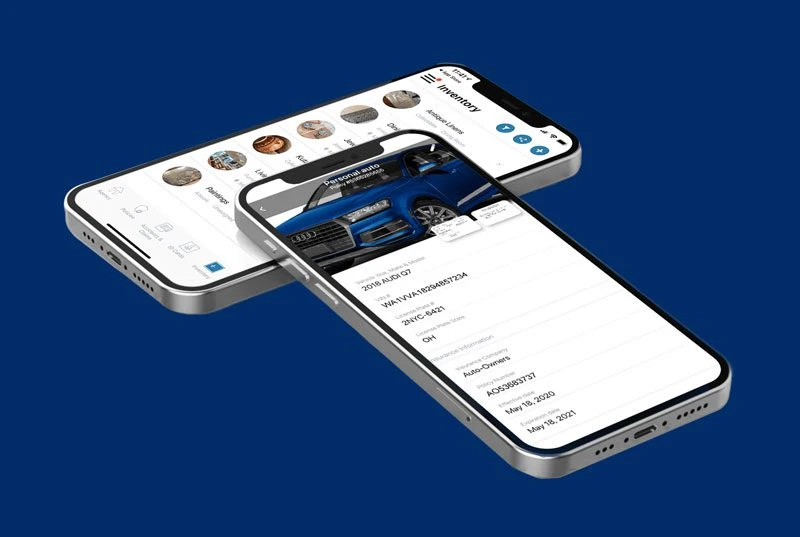
The Allied Insurance Group home insurance page explains that Florida owners can customize plans to cover second homes, rental properties, and seasonal changes by updating property inventories and adjusting protection for unique risks at each location.
In addition to the basics, it’s smart to see if coverage extends to things like detached sheds, pools, or patios. Certain insurance plans may handle those features differently, so reading the details matters. Premium coverage options sometimes let you adjust for extras, like climate control systems or specialty locks, to better protect what matters most.
Seasonal Risks to Think About in Florida
Living in Florida means keeping an eye on the weather, especially from early spring through the end of storm season. Even March can bring fast-moving systems that dump inches of rain or come with strong winds that knock out power or break tree limbs.
Homes located near water or in low-lying spots can be more prone to flooding, while those with lots of trees nearby might deal with falling branches. That’s why it’s smart to prep before spring gets too far along. Tidy up the yard, have trees trimmed if needed, and make sure gutters are clear so water drains where it should.
Storm risks can sneak up fast, so leave your property as ready as possible each time you leave it for a while. Flat roofs, older siding, or loose fencing can all become problems quickly when the storm clouds roll in. A little prep now helps you avoid a bigger cleanup later.
Allied Insurance Group’s blog recommends reviewing vacation home insurance before each spring season, adding flood coverage for high-risk locations, and confirming policy details for guest stays, especially if short-term rentals are planned.
Since storms can sometimes hit with little notice, it’s a good practice to walk through the property before leaving for a stretch. Secure patio furniture and close umbrellas, move loose stones or planters to a sheltered area, and photograph the home and yard layout for your records.
Consider virtual check-ins with neighbors or setting up a basic security camera system to monitor for movement or check weather impacts in real time. This can be useful for peace of mind and adds another layer of protection when you’re away for longer stretches.
Knowing When to Check Your Policy
Vacation homes change over time. You might add new furniture, build out a porch, or update the kitchen. Big or small, these changes can leave gaps in coverage if your policy hasn’t been reviewed in a while.
It’s a good habit to check your insurance policy before any big seasonal stays or before guests arrive for a visit. That way, you’re clear on what’s covered and can make changes while there’s time to do so properly.
Here are a few key moments when it’s smart to review your plan:
- Before each spring or storm season begins
- Before renting it out or offering it for guest stays
- After making a big upgrade, like adding a shed or pool
- After buying something new and valuable or replacing appliances
A quick policy review helps catch anything that’s out of date. Whether it’s a change inside the house or just part of the structure itself, those things matter when it’s time to file a claim.
Another helpful step is keeping an updated inventory of what’s at the property. Write down big items, snap photos of receipts, and store them in a safe place or on your phone. This record is valuable if anything is damaged and it can make insurance conversations smoother and clearer.
Staying organized with paperwork, receipts, and notes makes everything easier should you need to make a claim. This small effort just once or twice each year goes a long way toward protecting your home-away-from-home for seasons to come.
Stay Ready So You Can Relax
Vacation homes are meant to bring calm and comfort. But we know that the idea of damage, especially from far away, can cause a lot of stress. That’s why preparation matters so much. The more you plan ahead, the easier it is to enjoy your time off without worrying about what’s happening while you’re gone.
Having the right plan, making small checks before spring, and knowing someone is keeping an eye on your property gives your vacation home the same care you’d give your full-time house. And that kind of peace of mind is worth a lot when the skies start to shift.
If you’re thinking about how your plan stacks up or want to double-check what’s protected, now is a great time to ask questions and get answers before peak season. At Allied Insurance Group, we’re here to help make sure your vacation home is ready, rain or shine.
At Allied Insurance Group, we understand how important it is to feel secure about your vacation home, especially with spring weather rolling in across Florida. Whether it’s a second home near the coast or a quiet getaway inland, protecting it the right way starts with the right coverage. Not sure what’s included in your current plan or if it fits your seasonal needs? We’re here to help. Learn more about how we can support you with the right home insurance in Florida for your property. Give us a call and let’s talk through your options today.





 Allied Insurance Group

