

Buying your first home in Florida is a big deal: you sign a stack of papers, get the keys, and breathe a little. Then summer storms roll through, a strong wind rips shingles off the roof, and you learn your policy does not cover what you thought. That kind of surprise is common for new Florida homeowners, and it is usually expensive.
We want you to start from a stronger place. Florida home insurance works differently than in many other states because of hurricanes, strong storms, and changing rules. In this article, we will walk through the basics, the Florida-specific curveballs, and how a careful, veteran-style approach can help you protect your new place the right way from day one.
Start Smart: Why Your First Florida Policy Matters
A lot of first-time buyers assume home insurance covers “anything bad that happens.” Then a summer storm hits, there is roof damage plus a small leak, and they find out their hurricane deductible is high and water damage is limited. The gap between what they thought they had and what they actually have is where the stress starts.
Florida is different because of:
- Strong hurricanes and tropical storms
- Rising premiums and changing carrier rules
- Special deductibles and limits on certain types of damage
As a veteran-owned agency, we think in terms of missions. The mission here is simple: protect your largest investment while keeping your family safe. That means paying attention to details, checking for blind spots, and planning for the “what if,” not just the “right now.”
Hurricane season starts in June, right when many buyers are closing on homes. Waiting to “fix the insurance later” can backfire. You want the right coverage in place before the first big storm shows up on the news.
Florida Home Insurance Basics Every Buyer Should Know
Most Florida home insurance policies have four main parts. Understanding them now helps you avoid fights with your policy later.
A standard policy typically covers:
- Dwelling, the structure of your home, like walls, roof, and built-in items
- Personal property, your stuff, like furniture, clothes, and electronics
- Liability, if someone gets hurt on your property and you are found responsible
- Loss of use, extra living costs if you cannot stay in your home after a covered loss
Common misunderstandings include thinking personal property is covered for every kind of loss, or assuming loss of use will pay for any hotel or rental you want. Policies have limits, rules, and time frames.
In Florida, a standard policy usually does not cover:
- Flooding from rising water outside the home
- Some windstorm situations, depending on your carrier and location
- Wear and tear or lack of maintenance
For many homes, you may need separate flood insurance or extra endorsements for certain wind coverage. It is easy to skip these when you are overwhelmed with closing paperwork, which is why a clear breakdown helps.
There are also Florida-specific factors that can affect both eligibility and price:
- Hurricane deductibles, separate from your regular deductible
- Roof age rules that can limit carriers or raise costs for older roofs
- Required inspections, like 4-point and wind mitigation, especially for older homes
These inspections can unlock savings or show issues that you need to fix. We look at these reports like a checklist for both safety and insurability.
Hurricane Season Reality Check for New Homeowners
Hurricane deductibles catch many new homeowners off guard. Instead of a flat dollar amount, they are often a percentage of your dwelling limit. If your dwelling limit is higher, that percentage can be a big number when a storm hits.
If the hurricane deductible is too high, you might struggle to pay your part of the damage. If it is very low, you may pay more in premium. The right balance depends on your savings, risk comfort, and the value of your home.
Before the peak of hurricane season, first-time buyers should:
- Review dwelling and personal property limits
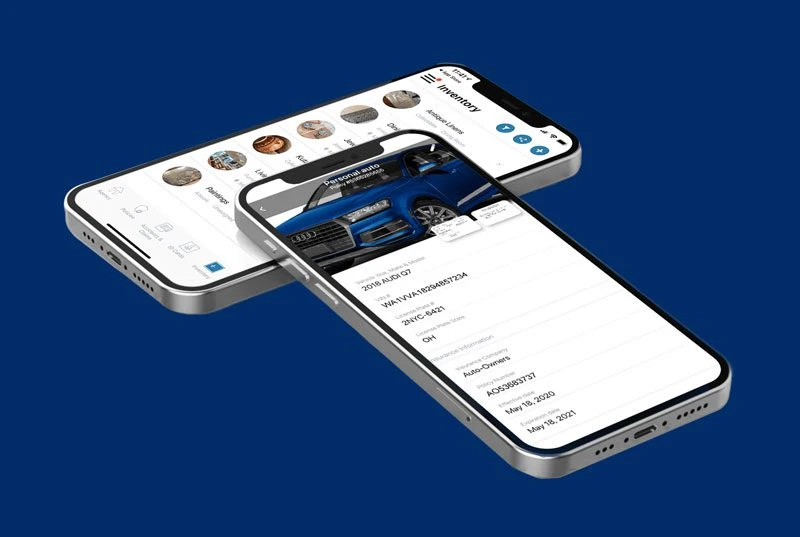
- Make a simple home inventory with photos or video
- Double-check loss of use coverage and time limits
Safety features can help both in a storm and on your bill. Impact windows, shutters, reinforced roofs, and a positive wind mitigation report can make your home stronger and can help your policy work better for you. We like to think of these upgrades as part of a layered defense.
Floods, Roofs, and Other Florida Wild Cards
Many people think, “I am not in a high-risk flood zone, so I do not need flood insurance.” Then a heavy rain stalls over the neighborhood, drains back up, and water ends up inside the house. Flood risk does not stop at a line on a map.
A separate flood policy can work alongside your Florida home insurance to cover damage from rising water that a standard policy usually excludes. Even a few inches of water can cause major repair needs.
Roofs are another big piece of the Florida puzzle. Carriers often look closely at:
- Roof age
- Roof material
- Overall condition and any past repairs
Older roofs can limit your choices and affect terms. Keeping a roof in good condition is not just about curb appeal; it is about staying insurable.
There are also other areas where first-time buyers can run into gaps, like:
- Screened enclosures or pool cages
- Detached structures such as sheds or small garages
- High-value items like jewelry or collectibles
These may need higher limits, special endorsements, or separate policies. We walk through these with new homeowners so nothing important is left in a gray area.
Comparing Quotes the Veteran Way
When you are busy closing on a home, it is tempting to pick the lowest quote and move on. The problem is, the cheapest option can come with higher deductibles, more exclusions, or lower limits that only show up as a problem when you file a claim.
A stronger way to compare quotes is to look at:
- Dwelling and personal property limits
- All deductibles, including hurricane and wind
- Exclusions and special conditions
- The carrier’s history of serving Florida homeowners
As an independent agency, we can compare several Florida home insurance carriers for you and explain the tradeoffs in plain language. We read the fine print so you do not have to guess.
Our veteran mindset focuses on attention to detail, risk assessment, and backup plans. Instead of only meeting your lender’s minimums, we aim to build coverage that fits your family, your home, and the real risks of living in Florida.
Lock in Protection Before the Next Storm Hits
Timing matters. Many carriers pause new policies or changes when a named storm is heading toward the state. If you wait until a storm is on the news, it may already be too late to adjust your coverage.
For first-time buyers, a simple prep list looks like this:
- Gather details about the home, including its age, roof, updates, and prior claims (if known)
- Review your current or proposed policy line by line
- Ask about flood options and specific wind or hurricane coverage
- Confirm all deductibles and limits before closing
Getting your Florida home insurance set early helps you move in with more peace of mind instead of second-guessing what is actually covered.
At Allied Insurance Group, we bring a veteran-owned, family-first approach to helping Florida residents and businesses find coverage that fits. We compare multiple carriers, explain your options in clear terms, and help you build a policy that supports both your new home and your long-term plans.
Protect Your Florida Home With the Right Coverage Today
If you are reviewing your options for Florida home insurance, we can help you compare policies so your home is properly protected. At Allied Insurance Group, we take the time to understand your property, budget, and risk factors before recommending coverage. Reach out so we can walk you through personalized options and answer any questions you have. To schedule a conversation with our team, simply contact us.




 Allied Insurance Group

